Case study



For this programme, the challenge was to deliver complete water infrastructure across multiple developments while reducing dependency on traditional site-sequential construction. Engineering, procurement and manufacture needed to progress alongside site works, without compromising technical standards or design intent.
Early coordination was critical. Mechanical, electrical, controls and pipework interfaces needed to be resolved before manufacture, reducing the risk of clashes, late-stage changes and additional work on site.
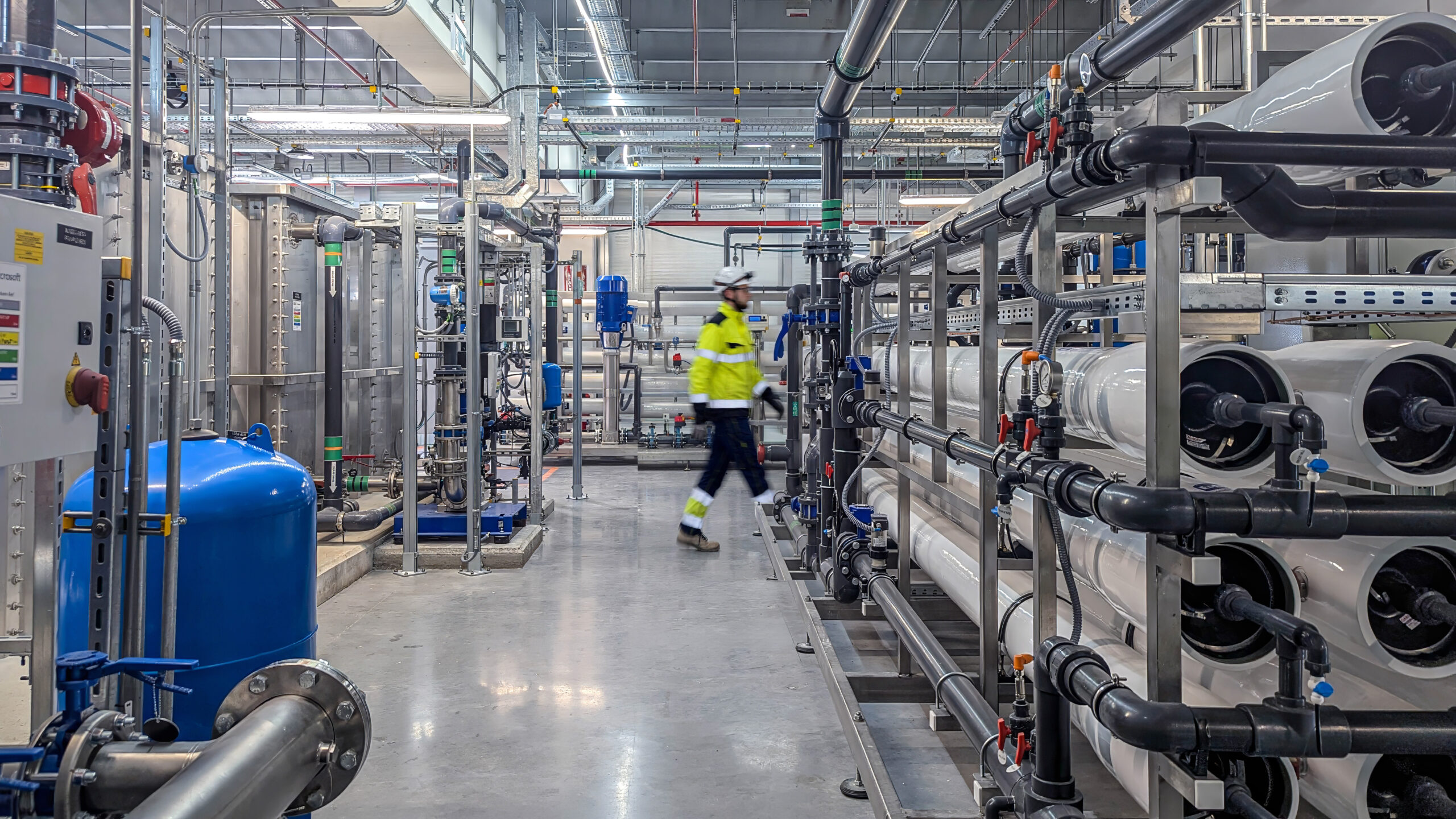
Whitewater Group’s response was to engineer the water infrastructure around off-site manufacture from the outset - moving almost the entire modular build into a controlled factory environment and creating a repeatable approach across the programme.
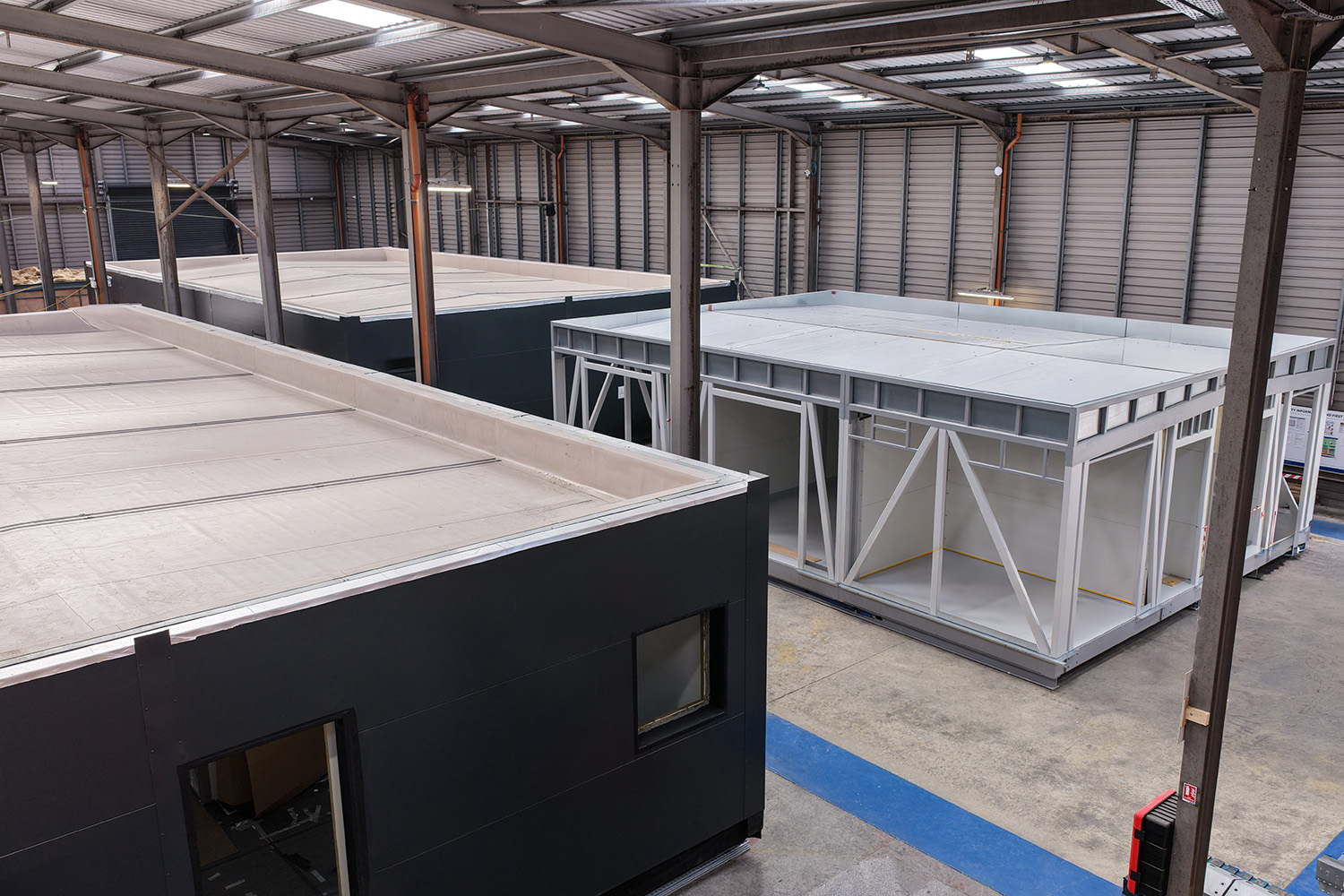
The water infrastructure was engineered from the outset around off-site manufacture rather than adapted for modular construction later in the programme.
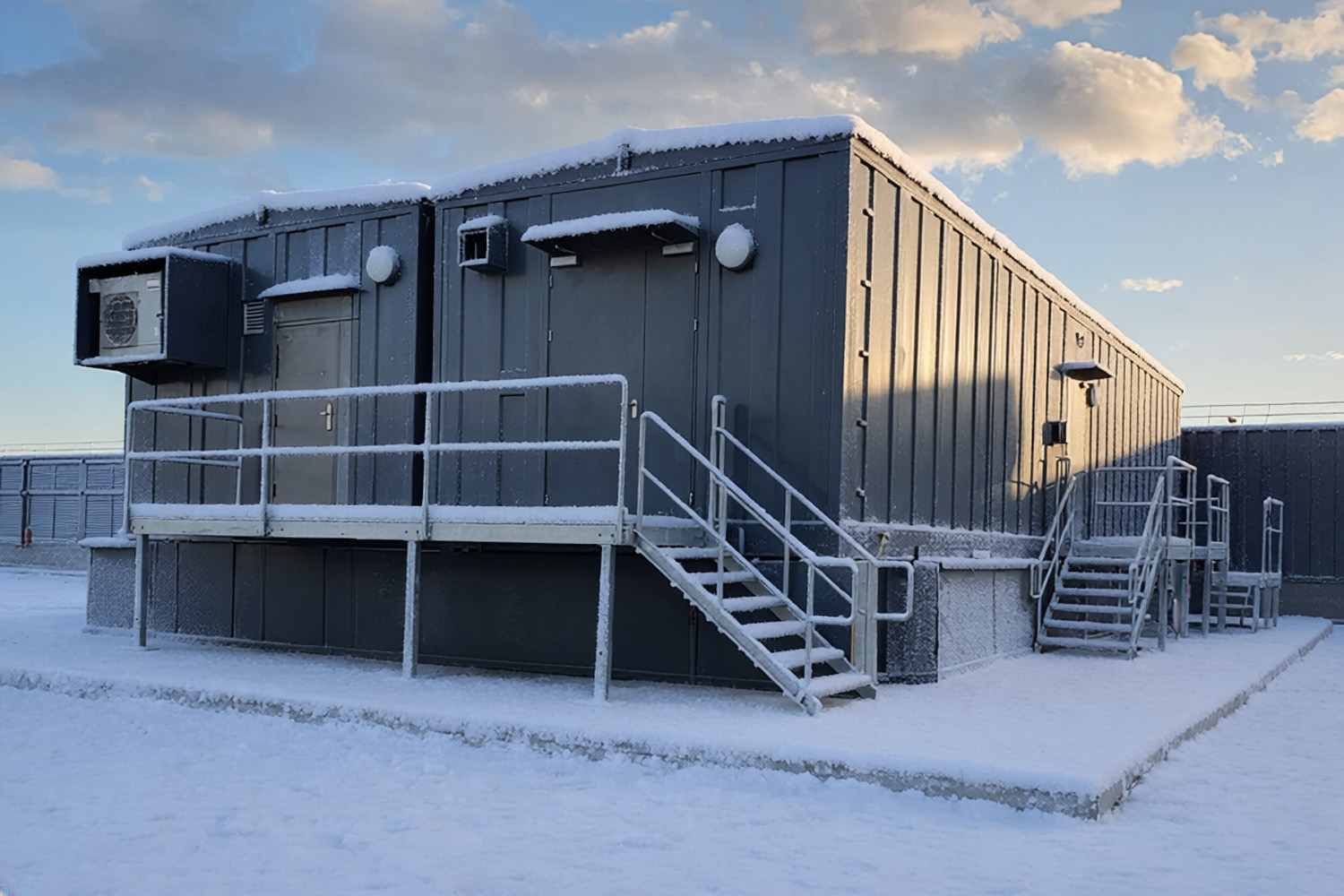
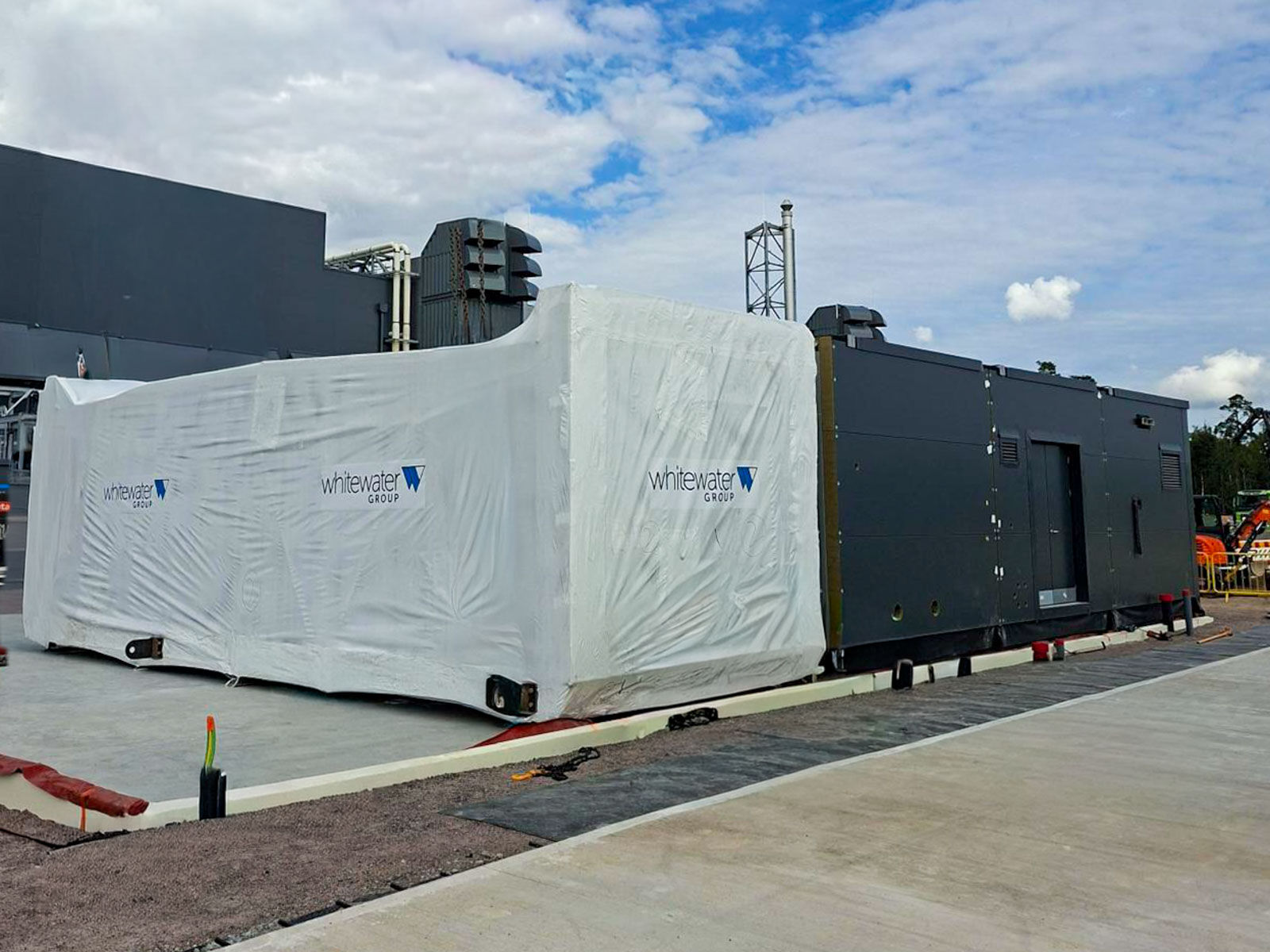
For the 60 MW project, the solution includes a five-module Water Treatment Building and three-module Sprinkler Pump House, together with process water tanks, underground storage, filtration and disinfection systems and an admin water treatment system.
The modular buildings were manufactured at Whitewater Group’s facility in Ballyhale, Ireland, with additional elements manufactured in Tomelloso, Spain.
Mechanical, electrical, controls and pipework installation progressed as far as practicable within the factory, with QA/QC and commissioning advanced to red-tag stage for most components before delivery.
This allowed factory production and site construction to progress concurrently, with completed modules transported to Finland when the receiving site was ready.

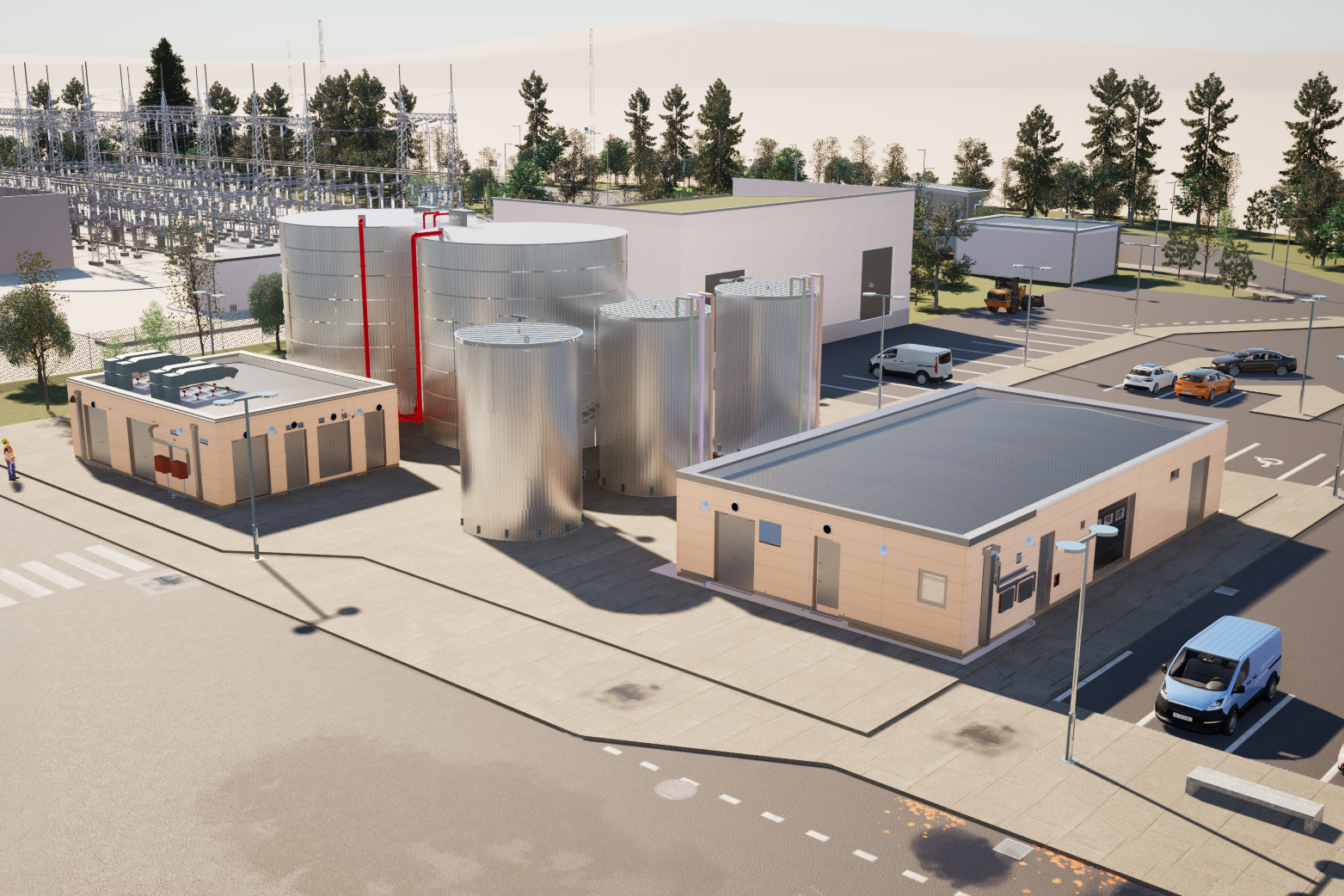
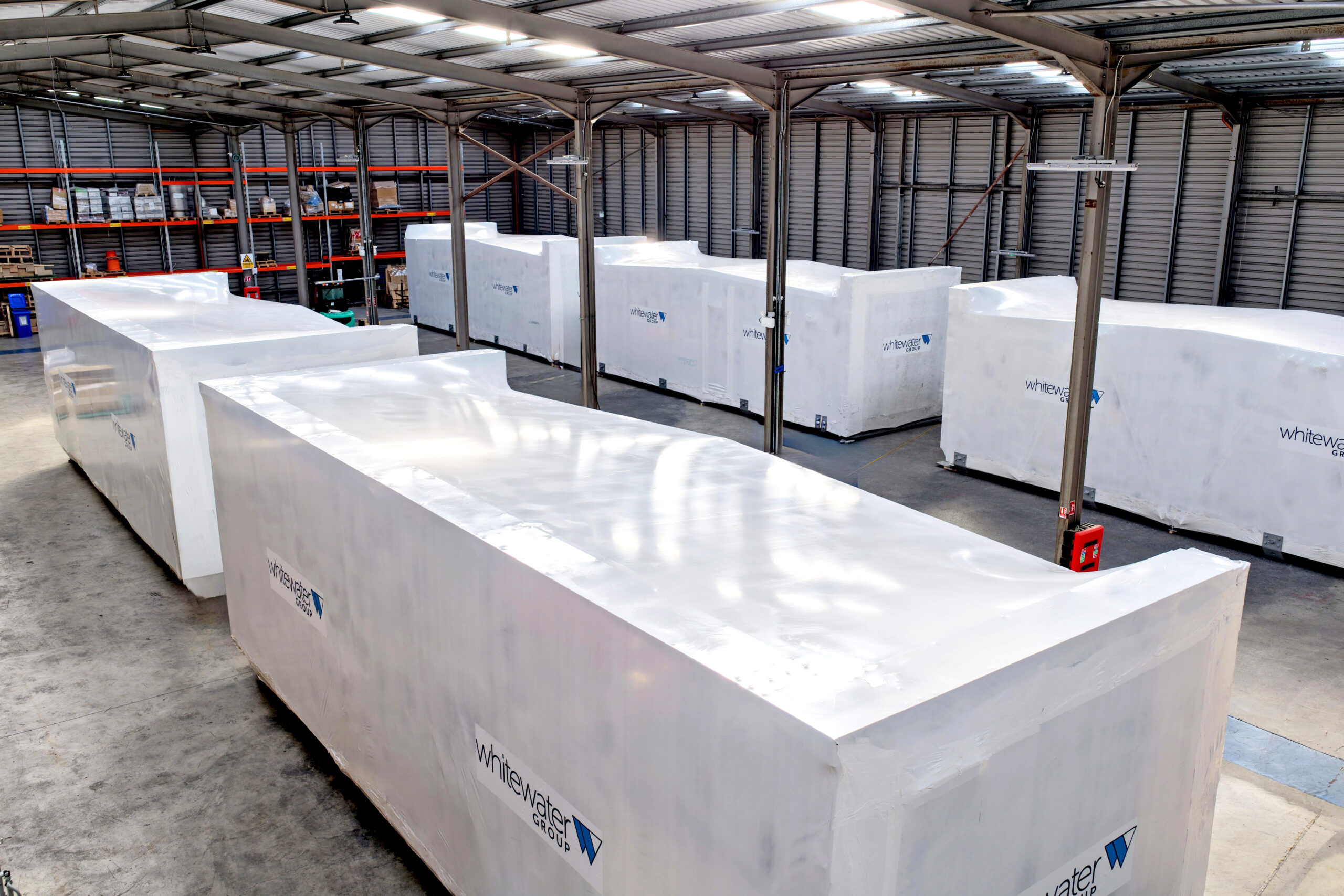
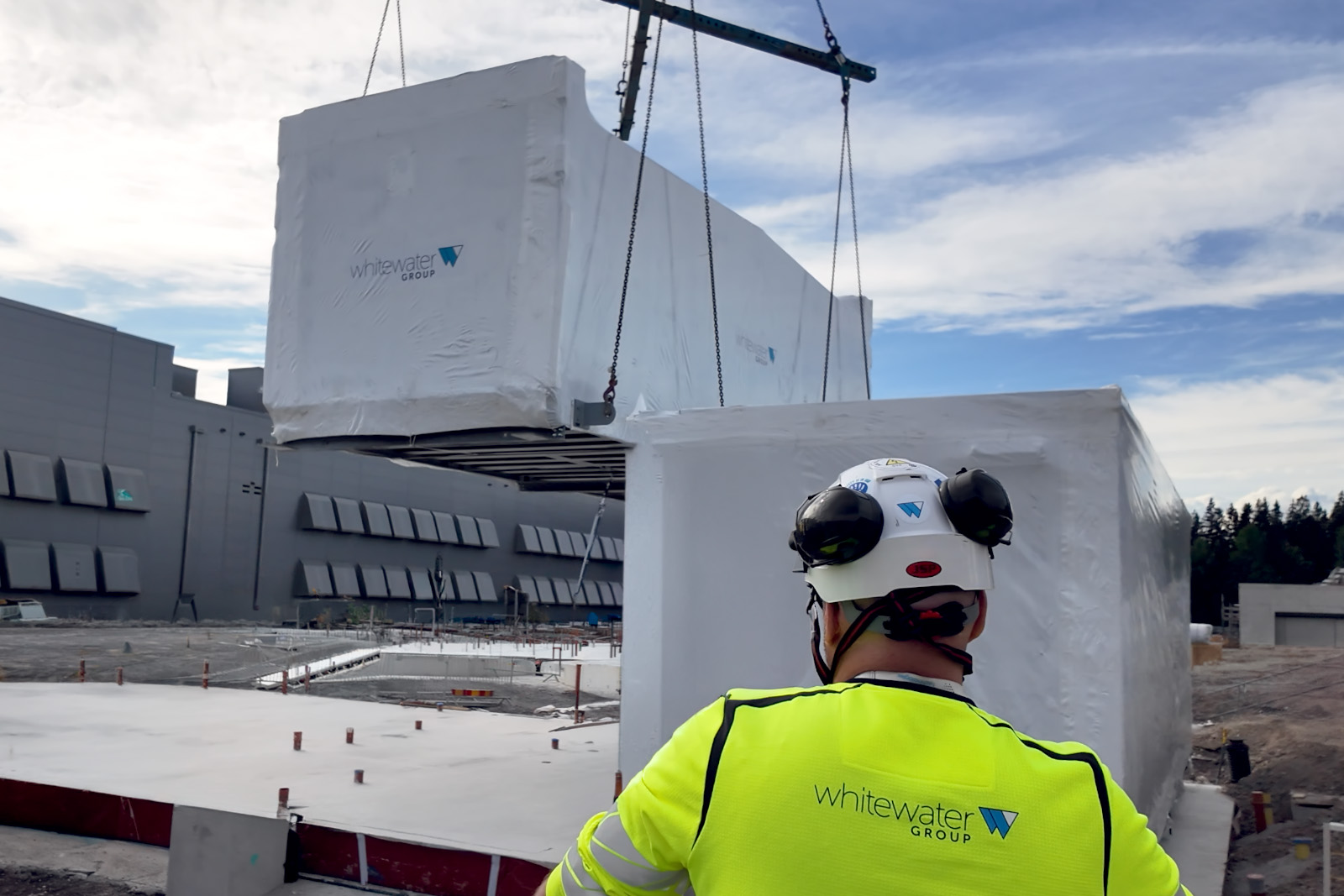
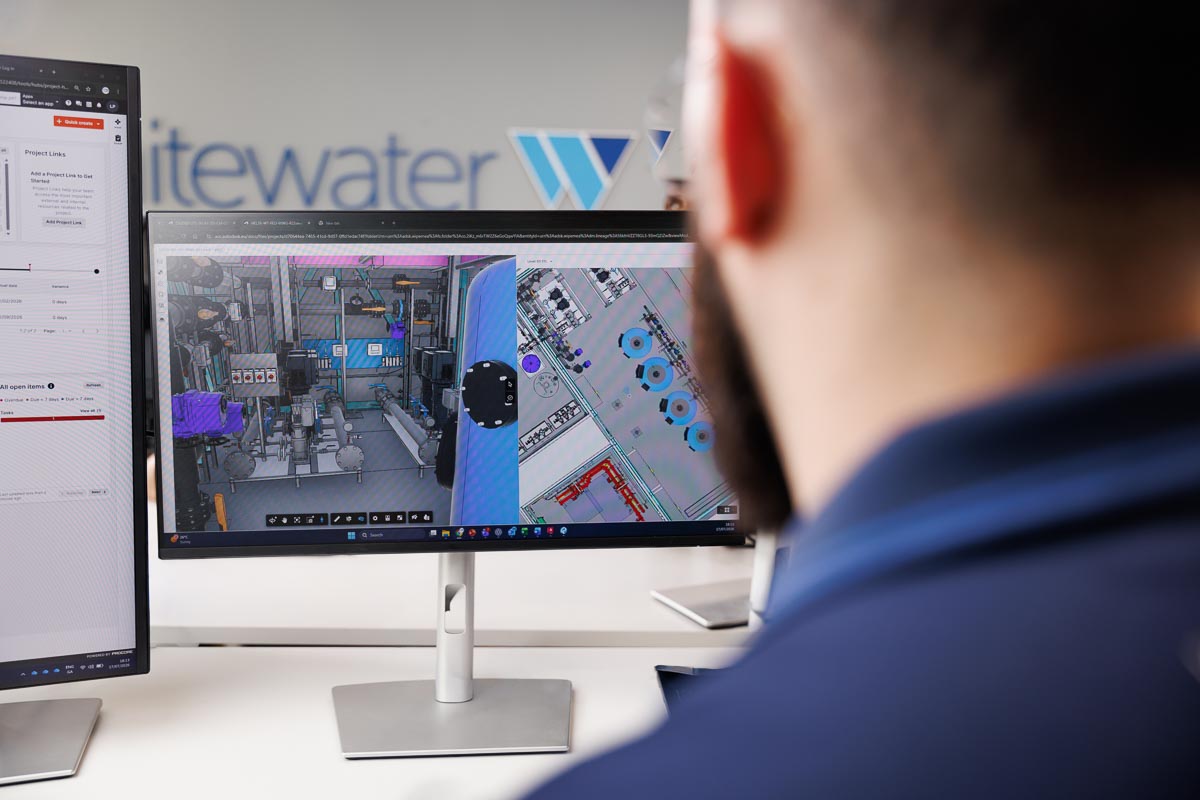
Digital coordination was central to the modularisation process.
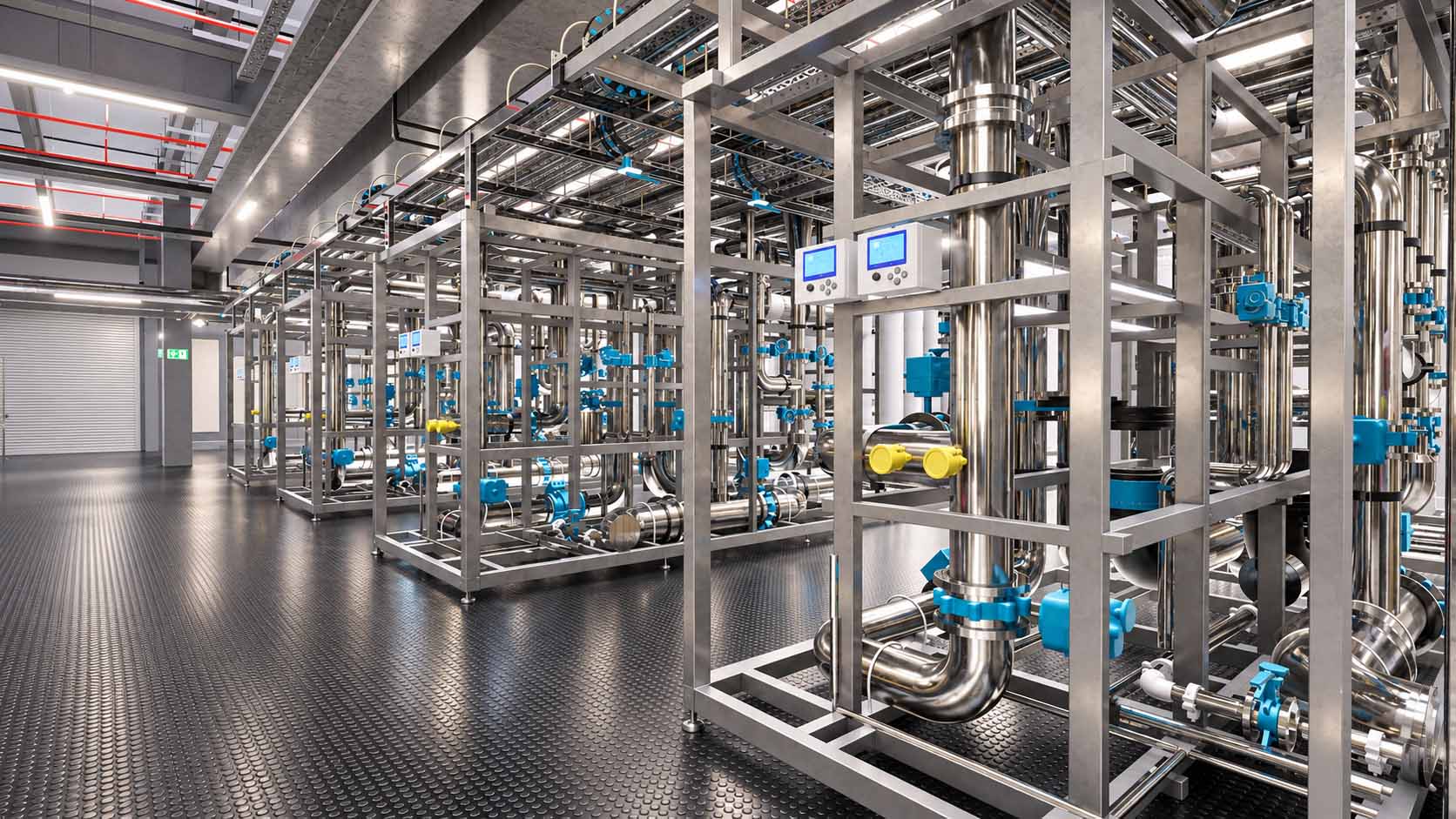
Revit-based multidisciplinary coordination was used to resolve mechanical, electrical, controls and pipework interfaces before manufacture. This allowed the overall arrangement of the Water Treatment Building to be optimised around the modular delivery strategy.
The result was an approximately 20–30% reduction in the required plantroom footprint, while maintaining system functionality and the original design intent.
Resolving interfaces earlier also reduced the potential for clashes and late-stage coordination on site, moving more engineering decisions into the controlled design and manufacturing stages of the project.
An equivalent traditional stick-build programme was assessed at 436 days. Using Whitewater Group's off-site manufacturing methodology, the comparable programme was reduced to 284 days.
That represents a saving of 152 days - or 35% overall.
Electrical installation was 51% faster, Yellow Tag activity 58% faster and Green Tag activity 28% faster.
The improvement comes from changing the construction sequence. Procurement, fabrication and system build-out can progress while civil and structural works continue on site, rather than waiting for each stage to finish before the next begins.