Case study



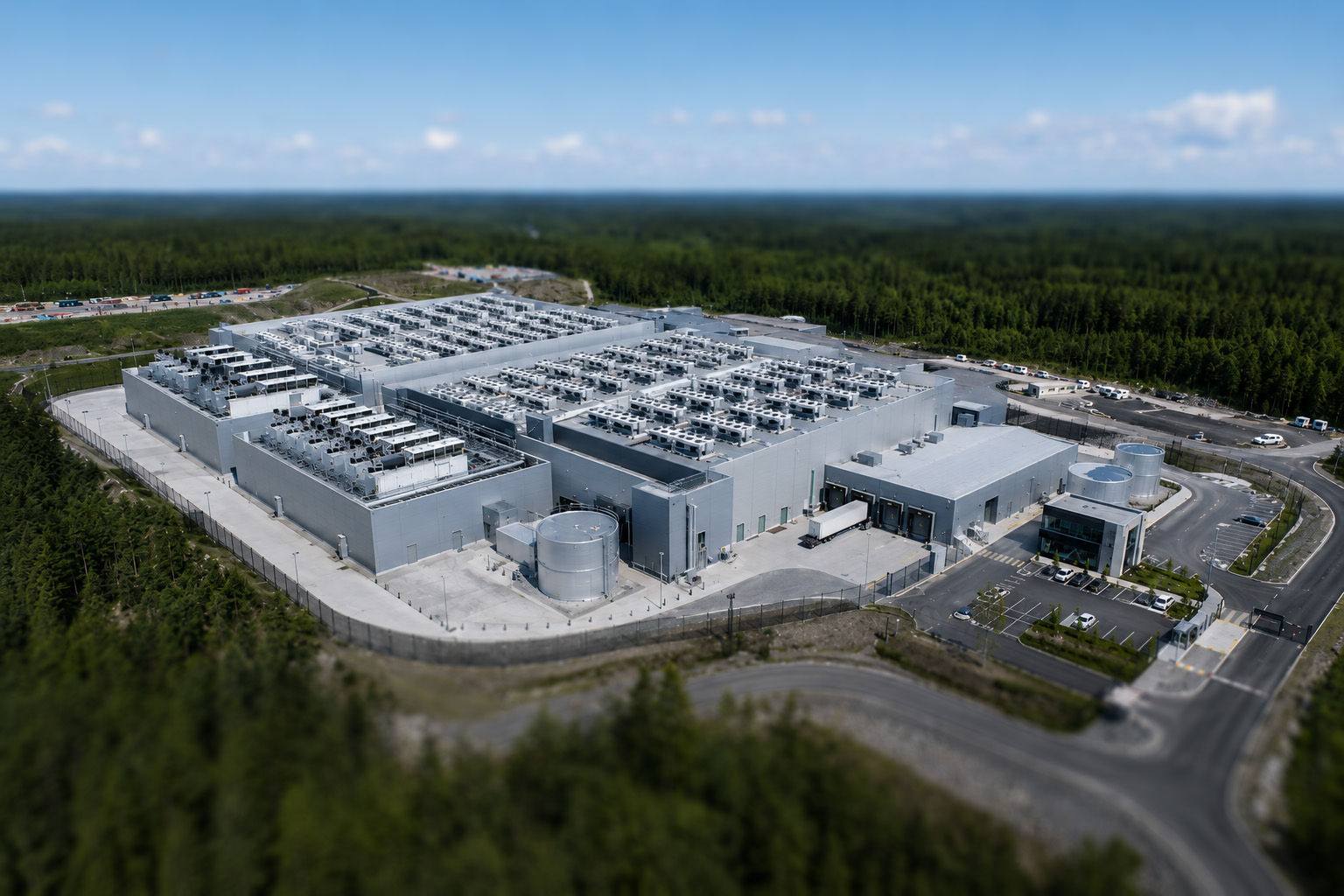
The campuses had no connection to a municipal water supply. Instead, each site relied on rainwater and snowmelt collected in large underground storage tanks.
This created a variable raw-water source that had to be treated consistently to meet the requirements of critical cooling and humidification systems.
The challenge was to maintain water quality and system availability under changing demand conditions, while providing redundancy, minimising water consumption and integrating the treatment infrastructure with the wider data centre environment.
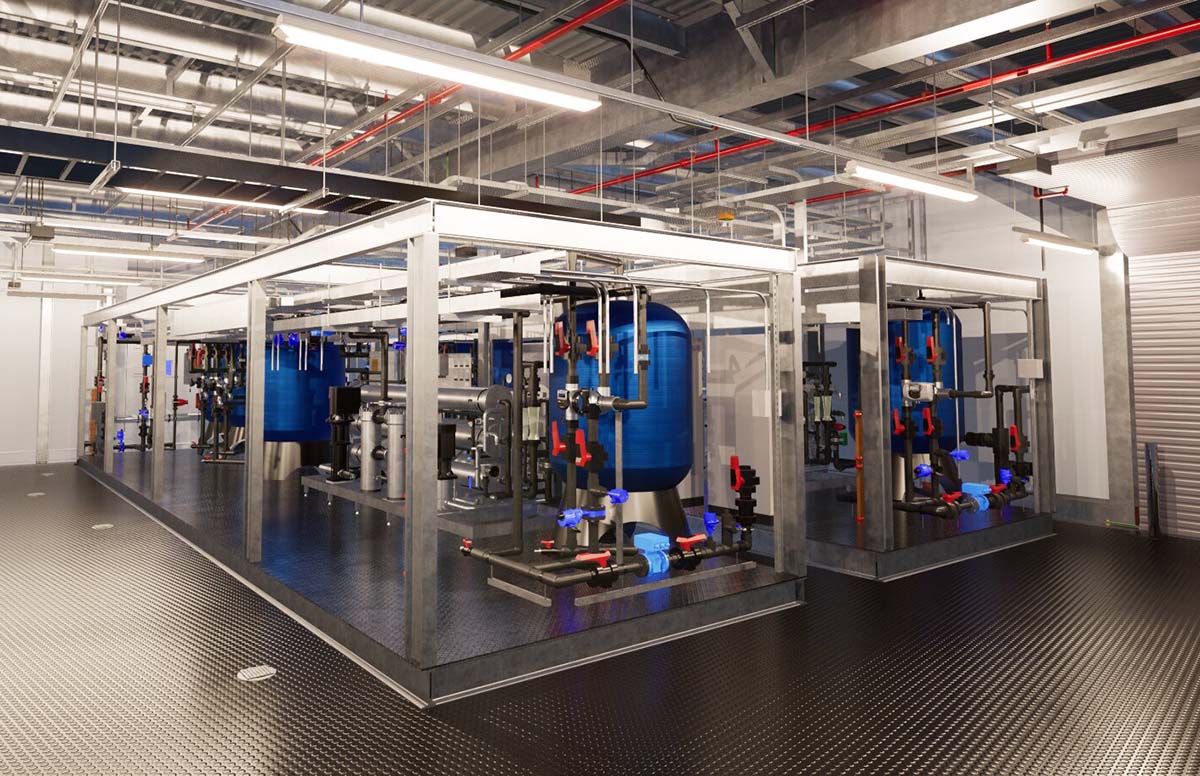
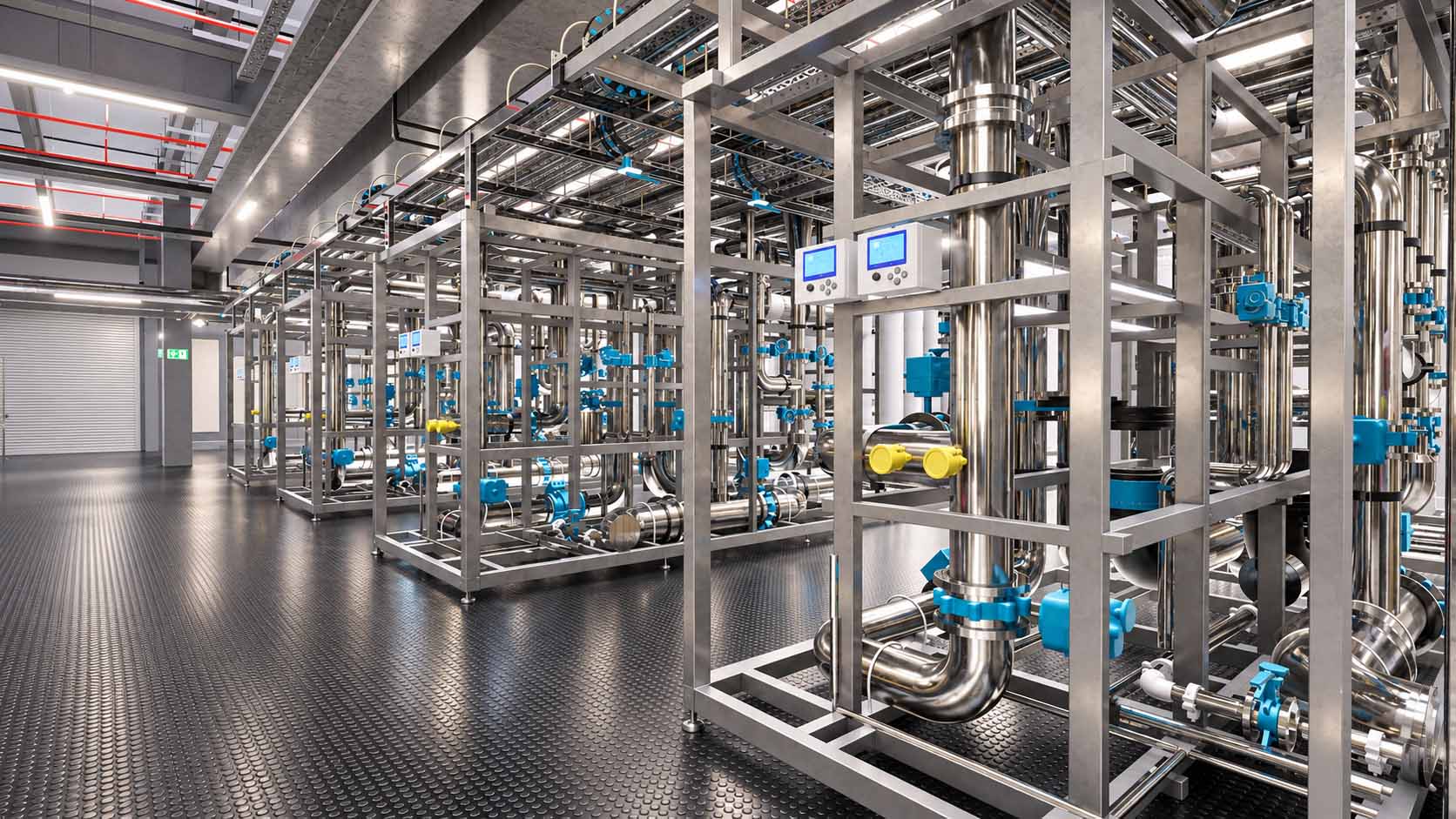
Whitewater Group developed a modular water treatment architecture that could be repeated across the programme while being configured around the requirements of each campus.
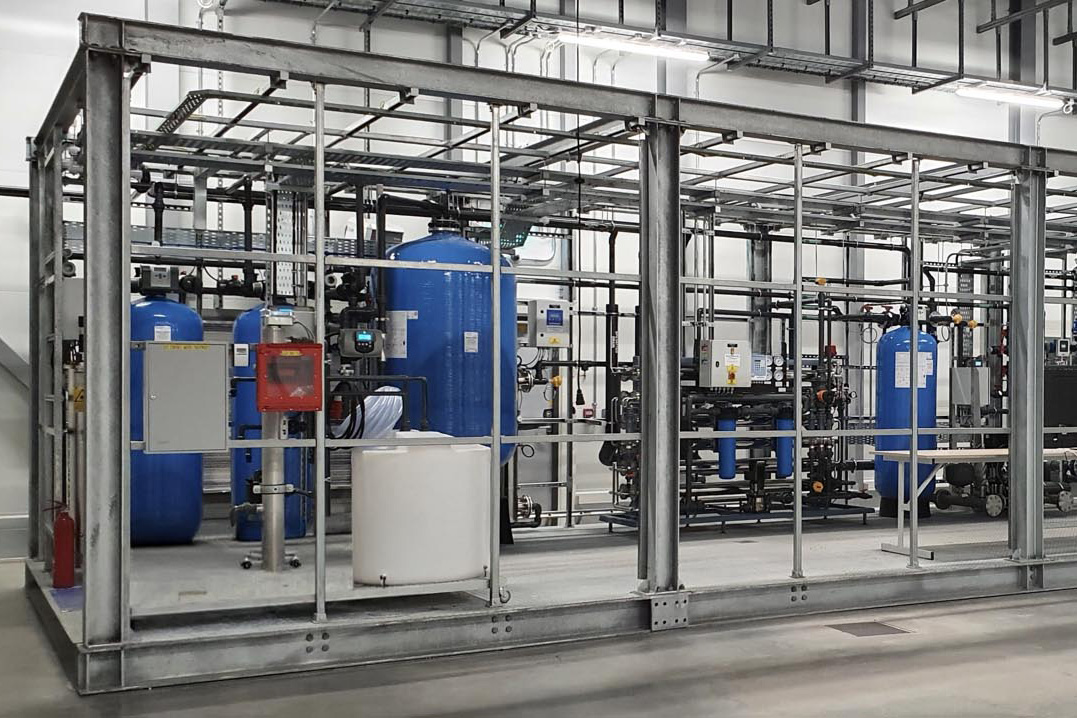
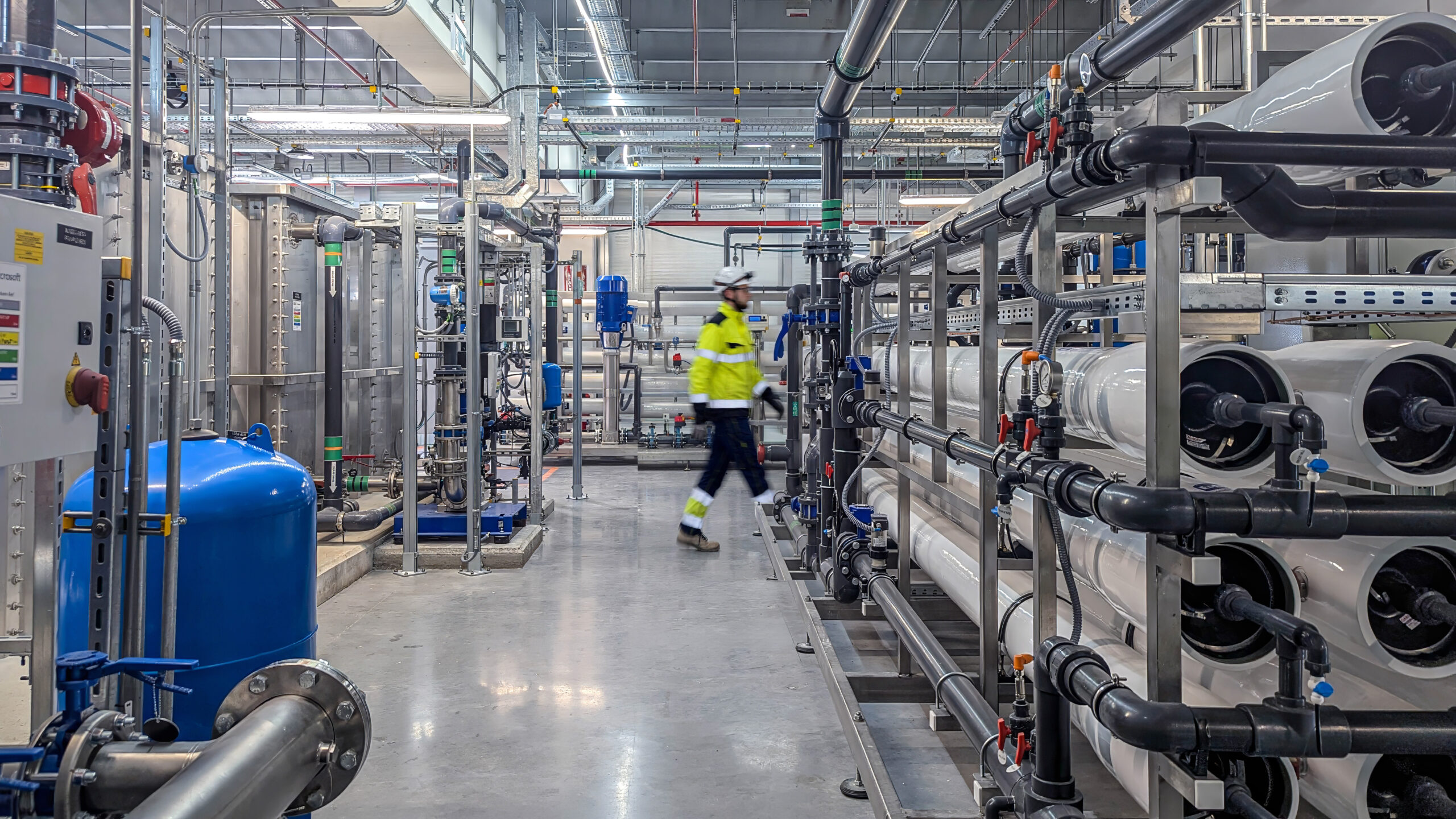
The treatment process combines filtration, UV disinfection and membrane treatment, supported by treated-water storage and distribution.
Where dedicated plantrooms were required, complete treatment facilities were manufactured and assembled off-site before being transported to site. Other projects used the same engineering architecture in skid-mounted format.
This approach created consistency in treatment technology, controls, equipment selection, commissioning and maintenance across all 11 projects.

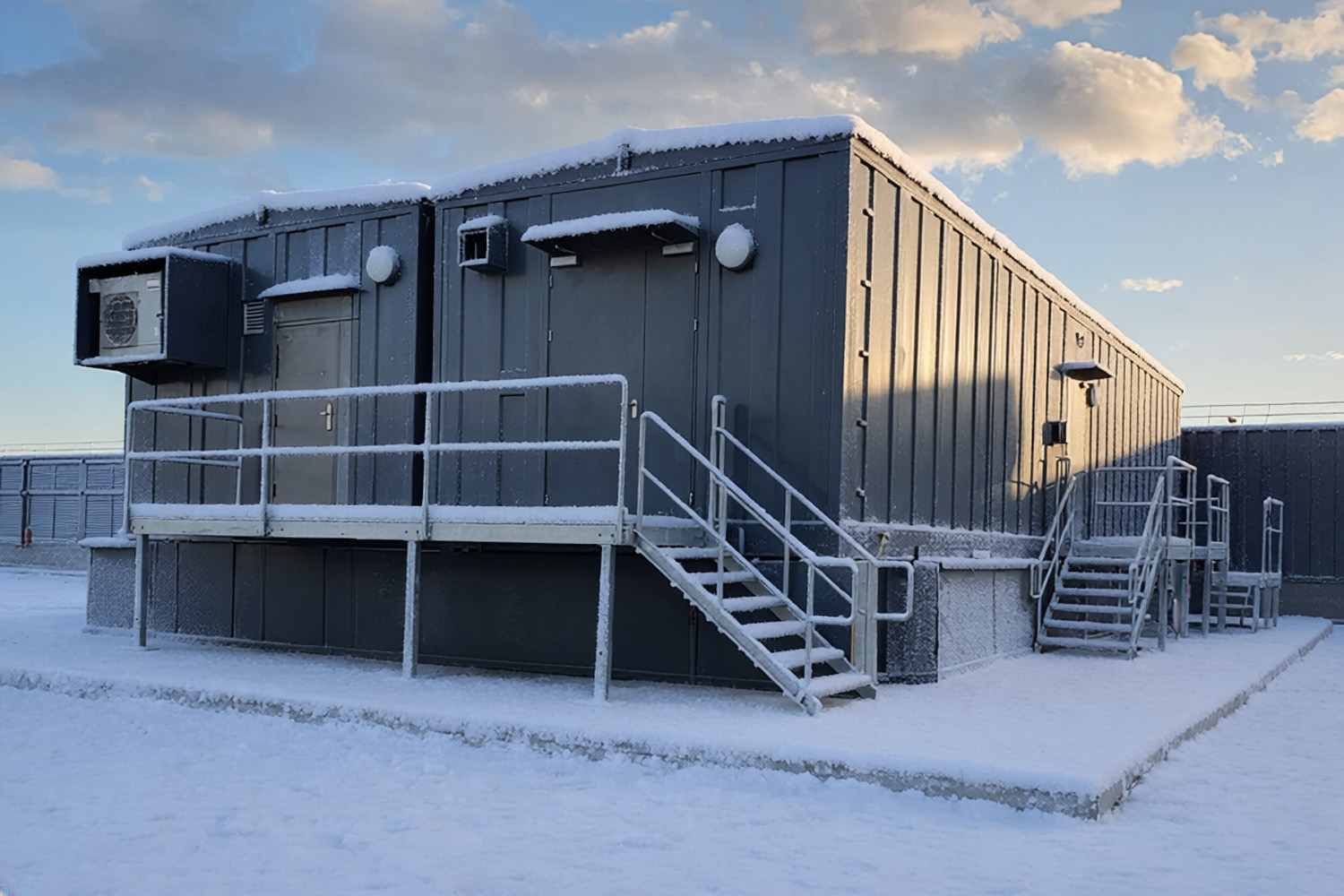
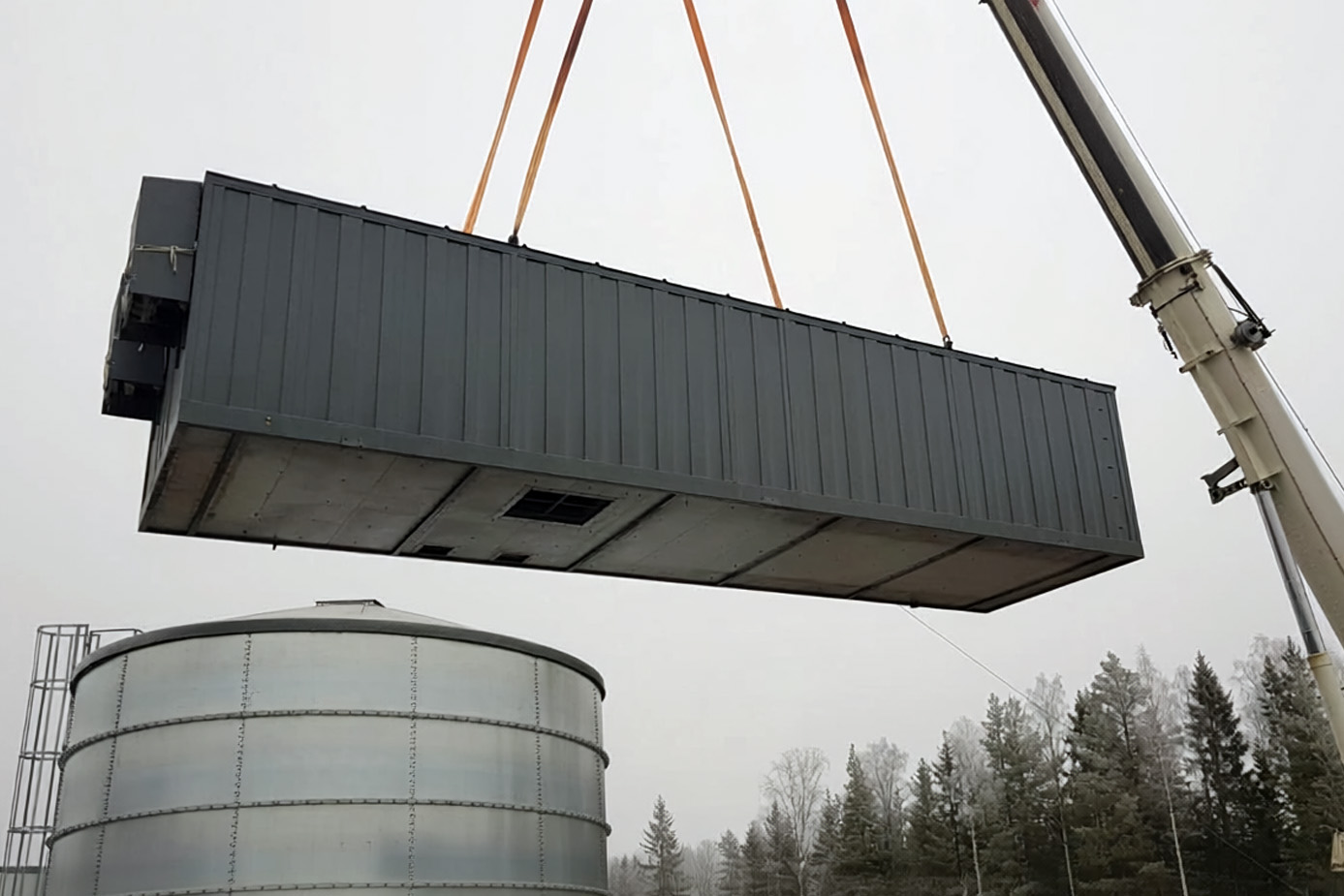
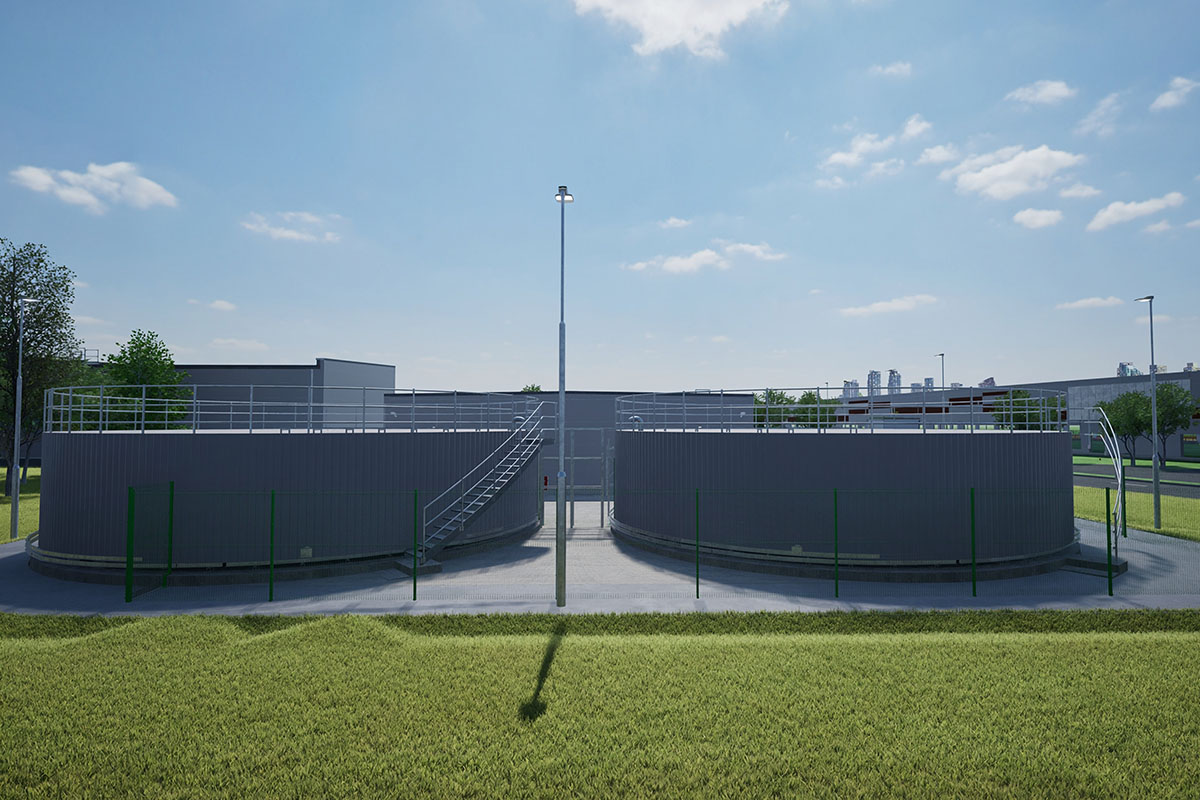
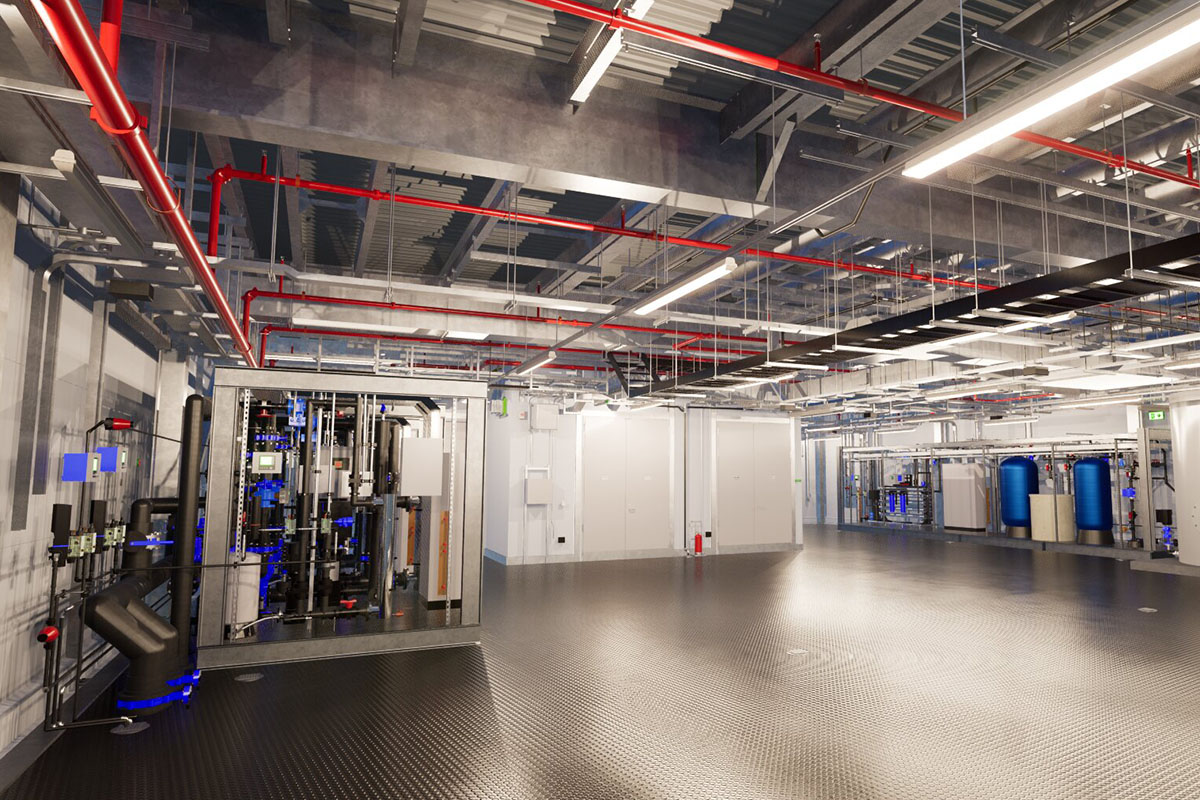
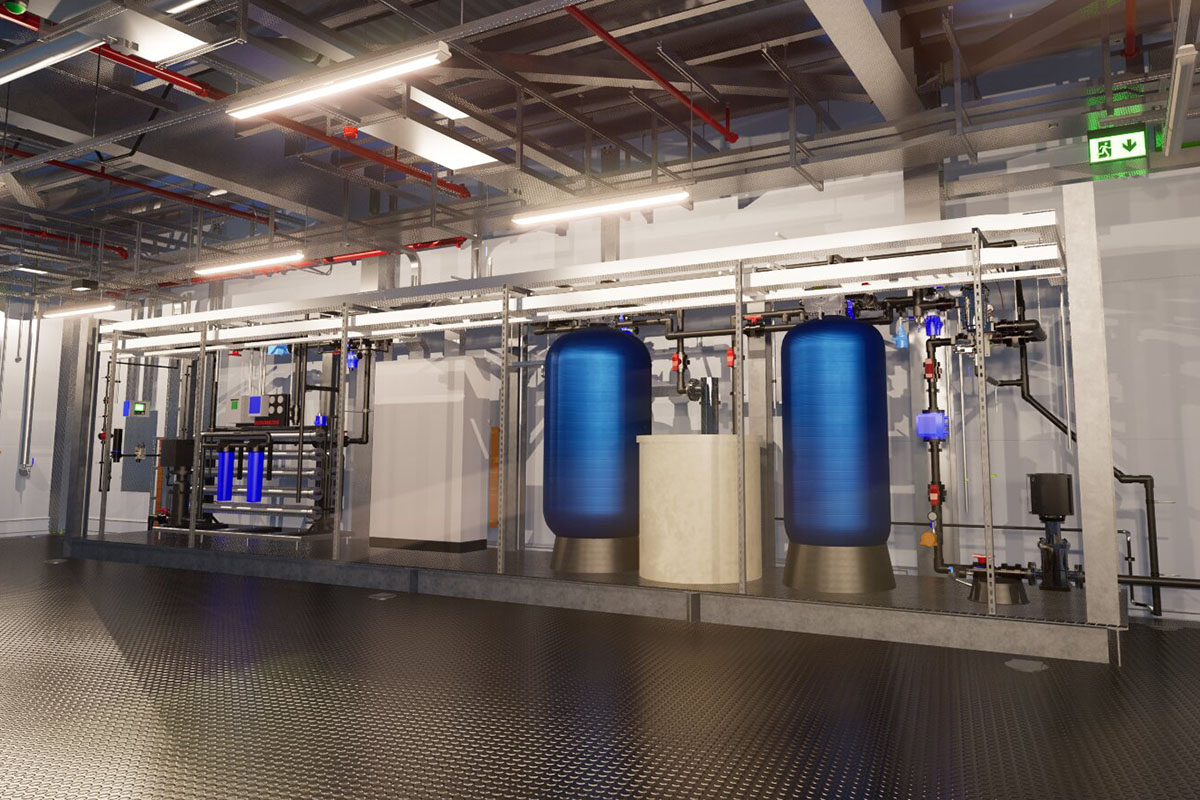
Water recovery was engineered into the wider treatment strategy, reducing the requirement for new water and maximising the value of the harvested supply available at each campus.
The systems recover up to 95% of water from treatment and evaporative cooling and humidification waste streams. This reduces wastewater generation and extends the useful life of each cubic metre of harvested rainwater and snowmelt.
Combined with the wider treatment architecture, this supports greater water resilience while reducing the overall water demand associated with cooling operations.